

Building a diverse and inclusive workforce has become a strategic priority for organizations across the world. While diversity and inclusion are often discussed as social responsibilities, they are equally important business drivers that influence innovation, productivity, employee engagement, and long-term growth.
Today’s workforce is more diverse than ever, bringing together individuals from different backgrounds, cultures, experiences, abilities, and perspectives. Organizations that embrace this diversity create stronger teams, make better decisions, and build workplaces where employees feel valued and empowered.
The foundation of this effort begins with an inclusive recruitment process.
But what does inclusive hiring actually mean, and how can organizations implement it effectively?

Why Inclusive Hiring Matters
Inclusive hiring refers to creating recruitment practices that provide equal opportunities for all candidates, regardless of gender, ethnicity, age, disability, sexual orientation, socioeconomic background, religion, or other personal characteristics.
Research consistently shows that diverse organizations benefit from:
- Higher levels of innovation
- Improved employee engagement
- Better problem-solving capabilities
- Stronger employer brands
- Increased employee retention
- Enhanced customer understanding
- Improved business performance
Inclusive hiring is not about lowering standards or meeting quotas. It is about ensuring every qualified candidate has a fair opportunity to demonstrate their capabilities.
1. Understand Your Current Workforce
The first step toward building a more inclusive workplace is understanding where your organization stands today.
Conduct a workforce analysis to assess diversity across:
- Departments
- Leadership teams
- Functions
- Geographic locations
- Compensation levels
- Promotion pathways
Understanding current workforce demographics helps identify gaps and opportunities for improvement.
Organizations should also evaluate their existing recruitment channels, sourcing methods, and hiring outcomes to determine whether they are attracting a broad and representative range of candidates.
This data-driven approach creates a strong foundation for future diversity initiatives.
2. Build Leadership Commitment
Diversity and inclusion initiatives are most successful when they are supported by leadership.
Hiring managers, recruiters, business leaders, and executives must actively support inclusive hiring objectives.
Organizations should invest in training and other onboarding processes that help stakeholders understand unconscious bias, inclusive decision-making, equitable hiring practices, and diversity goals.
When leadership demonstrates commitment to inclusion, it becomes embedded within the organizational culture rather than remaining a standalone initiative.

3. Create Inclusive Job Descriptions
The hiring journey often begins with a candidate seeing a position advertised, making job descriptions one of the most important components of inclusive hiring.
Job descriptions should focus on:
- Essential skills
- Required competencies
- Core responsibilities
- Measurable outcomes
Avoid unnecessary requirements that may discourage qualified candidates from applying.
Organizations should also eliminate gender-coded language, cultural assumptions, and potentially exclusionary terminology.
A well-crafted job description attracts a broader range of applicants while setting clear expectations for the role.
4. Expand Candidate Sourcing Channels
One of the most common barriers to workplace diversity is a limited candidate pipeline.
Organizations often rely on the same sourcing channels repeatedly, which can unintentionally reduce access to diverse talent.
To broaden candidate reach, recruiters should explore new platforms and communities that engage underrepresented groups.
Examples include:
- Diversity-focused job boards
- Professional associations
- Community organizations
- University partnerships
- Industry networks
- Talent communities
Expanding sourcing efforts increases access to qualified candidates from a wider variety of backgrounds and experiences.

5. Remove Bias From Applications
An effective inclusive hiring strategy focuses on candidate capabilities rather than personal characteristics.
One way to achieve this is through anonymized application reviews.
Removing details such as names, photos, age indicators, and demographic information can help reduce unconscious bias during early screening stages.
Modern AI-powered recruitment platforms can further support blind screening initiatives by automatically focusing on skills, competencies, and job-relevant qualifications rather than personal identifiers.
The entire hiring experience should also be transparent and structured.
Candidates should clearly understand:
- Application timelines
- Assessment requirements
- Interview stages
- Communication expectations
Organizations should proactively ask candidates whether accommodations or adjustments are required throughout the recruitment process.
Accessibility should be viewed as a standard practice rather than an exception.

6. Adopt Skills-Based Hiring
- Technical competencies
- Cognitive abilities
- Problem-solving skills
- Communication capabilities
- Job-specific expertise

7. Make Interviews More Accessible
Interviews remain one of the most critical stages of recruitment, but they can also create unintended barriers for certain candidates.
Organizations should offer flexible interview options, including remote interviews that allow candidates to participate regardless of geographic location or personal circumstances.
Virtual interviews can improve accessibility while reducing travel-related challenges.
Structured interviews are also recommended because they ensure all candidates are evaluated using consistent criteria.
Solutions such as OWVIE (AI-powered one-way interviews) and RIVIA (conversational AI interviews) help organizations create standardized evaluation experiences while improving accessibility and reducing unconscious bias.
This helps minimize subjective decision-making and promotes fairness throughout the selection process.
8. Use Data-Driven Hiring Decisions
Inclusive hiring requires objective and consistent decision-making.
Modern recruitment technologies can support this effort by generating insights based on skills, competencies, assessment performance, and structured interview results.
Effective candidate evaluation should focus on measurable indicators rather than assumptions or personal preferences.
Organizations should establish clear evaluation frameworks that align directly with job requirements.
Talent Titan’s ANA hiring intelligence agent helps recruiters make more objective decisions by transforming assessment and interview data into structured, actionable insights.
Data-driven hiring decisions help improve consistency, reduce bias, and create stronger hiring outcomes.
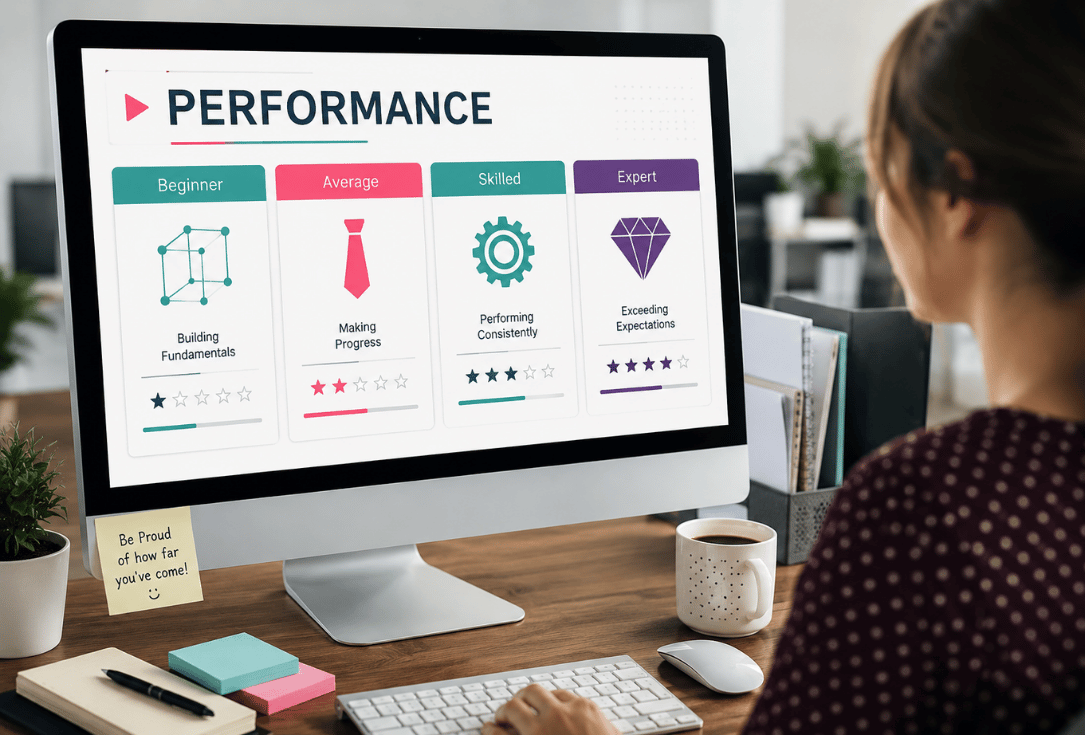
9. Continuously Measure and Improve
Building an inclusive workforce is an ongoing process rather than a one-time initiative.
Organizations should regularly track:
- Diversity metrics
- Hiring outcomes
- Candidate experience feedback
- Promotion rates
- Retention data
- Representation across leadership levels
Regular reviews help identify progress, uncover challenges, and refine recruitment strategies over time.
Inclusive hiring becomes most effective when organizations continuously evaluate and improve their practices.
The Role of Technology in Inclusive Hiring
Advancements in AI and recruitment technology are helping organizations create more equitable hiring experiences.
Modern platforms can support:
- Blind screening
- Skills-based evaluations
- Automated scheduling
- Structured interview workflows
- Candidate engagement
- Diversity analytics
The next evolution of inclusive hiring is Agentic AI. Rather than simply automating tasks, Agentic AI systems can orchestrate sourcing, assessments, interviews, scheduling, and hiring intelligence while maintaining consistency and reducing opportunities for bias.
Solutions such as Talent Titan’s AI-powered hiring ecosystem help organizations reduce bias while improving recruitment efficiency and candidate experience.
Through HIRA and its specialized AI agents, organizations can build more transparent, skills-driven, and equitable hiring processes that focus on candidate potential rather than subjective assumptions.
By focusing on skills, performance, and potential, technology enables organizations to make more informed and inclusive hiring decisions.

Final Thoughts
Diversity, equality, and inclusion are no longer optional workplace initiatives. They are essential components of building resilient, innovative, and high-performing organizations.
An inclusive hiring strategy helps organizations attract a wider range of talent, reduce unconscious bias, improve employee engagement, and strengthen long-term business outcomes.
From creating inclusive job descriptions and expanding sourcing channels to implementing skills-based assessments and data-driven decision-making, organizations can take meaningful steps toward creating fairer hiring practices.
As organizations embrace skills-first hiring, structured candidate evaluation, and Agentic AI-powered recruitment, they can build workforces that are not only more diverse, but also more innovative, agile, and future-ready.
Ultimately, inclusive hiring is about ensuring every candidate has an equal opportunity to succeed based on their skills, potential, and ability to contribute.
When organizations embrace diversity and equality as core business values, everyone benefits, including employees, customers, and the organization itself.
Other Articles

Beyond the Script: Using AI to Master Behavioral Interview Questions
How to Tackle C++ Coding Interview Questions with Confidence
The Secret to Answering Industry-Specific Interview Questions
How to prepare for domain-specific hiring questions across finance, tech, and healthcare.
Ready to Build a More Inclusive Hiring Process?
Use AI-powered assessments, structured interviews, and skills-based hiring to reduce bias and hire fairly at scale.